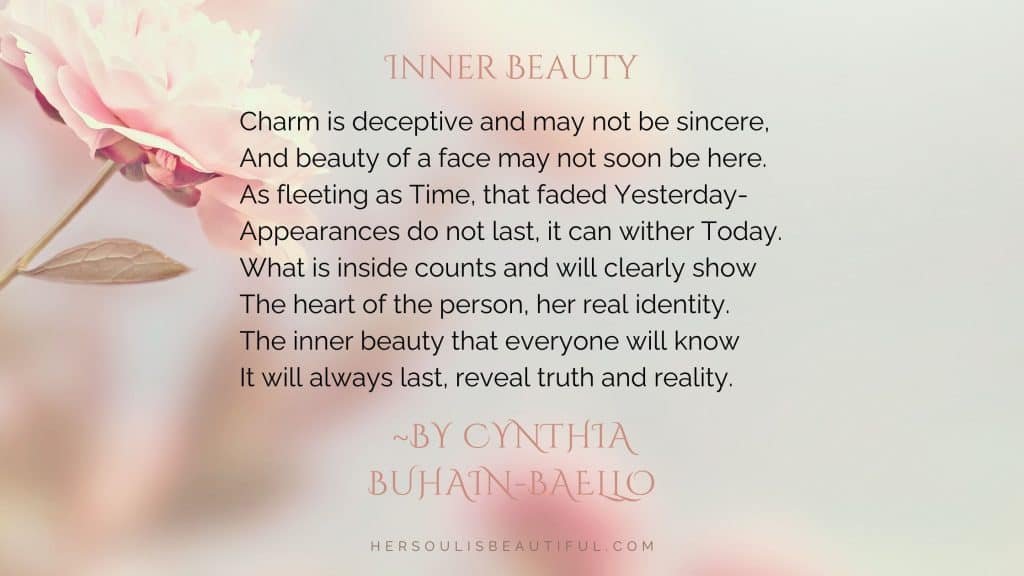
Life is a collection of moments. Some are bright and unforgettable, while others are quiet, painful, or difficult to understand. Between laughter and tears, success and failure, love and loss, we continue moving forward, learning something new with every experience. This is where life poetry finds its true meaning. It gives words to feelings that are often difficult to explain and turns ordinary experiences into something beautiful and meaningful.
Poetry about life does not always need complicated language or perfect rhymes. Sometimes, a few simple lines can describe an entire chapter of someone’s journey. A poem can capture the feeling of starting over, missing someone, chasing a dream, or simply enjoying a peaceful morning. Life poetry reminds us that every experience has a story worth telling.
What Is Life Poetry?
Life poetry is a form of poetry that explores human experiences, emotions, relationships, struggles, dreams, and personal growth. It can be hopeful, emotional, inspiring, sad, romantic, or reflective. There is no single formula for writing it because life itself is never the same for everyone.
A life poem may talk about childhood memories, the challenges of adulthood, the importance of family, the pain of losing someone, or the happiness found in small everyday moments. Some poems celebrate life, while others question it. Both approaches can be powerful because they reflect the complicated nature of being human.
The beauty of life poetry is its ability to make readers feel understood. When someone reads a poem and thinks, “This is exactly how I feel,” the poet has created a connection that goes beyond words.
Why Does Life Poetry Matter?
People have been using poetry to express emotions for centuries. Even before modern books and social media, people shared stories and feelings through songs, poems, and spoken words. Poetry gave people a way to preserve memories and communicate emotions that ordinary conversation could not always capture.
Today, life poetry remains meaningful because modern life can often feel rushed. We spend hours working, studying, using technology, and worrying about the future. In the middle of all this activity, we may forget to pause and notice what is happening inside us.
Reading or writing a poem can create that pause.
A few lines about rain, an old photograph, a parent’s smile, or a difficult goodbye can make us stop and reflect. Poetry encourages us to look at life from a different perspective. It reminds us that even ordinary moments can carry deep emotional value.
The Beauty of Ordinary Moments
One of the most powerful things about life poetry is that it does not require extraordinary events. In fact, some of the best poems come from ordinary experiences.
Think about sitting beside a window on a rainy afternoon. Think about drinking tea with someone you love, hearing an old song, walking through a familiar street, or watching the sunset after a long day. These moments may seem small, but they can hold memories, emotions, and meaning.
Life poetry teaches us to notice these details.
A poet might describe an old pair of shoes not simply as footwear but as a reminder of years of walking through difficult and happy seasons. A kitchen table can become a symbol of family. A photograph can represent an entire lifetime. Through poetry, ordinary objects become connected to deeper emotions.
This ability to find meaning in simple things is one reason life poetry feels so personal.
Life Poetry About Struggles and Pain
Life is not always beautiful. Everyone experiences disappointment, heartbreak, loneliness, failure, and uncertainty. Poetry can provide a safe space for expressing these difficult emotions.
A poem about pain does not necessarily make the pain disappear, but it can make it easier to understand. Writing can help people organize feelings that seem confusing or overwhelming. Instead of keeping everything hidden inside, a person can transform those emotions into words.
Life poetry often reminds us that struggling does not mean we are weak. Sometimes, the hardest seasons of life teach us the most important lessons.
A broken relationship may teach someone about self-respect. Failure may reveal a person’s true strength. Loneliness may encourage someone to understand themselves more deeply. Difficult experiences can change us, and poetry gives us a way to reflect on that change.
Hope in Life Poetry
Alongside pain, hope is one of the most common themes in poetry about life. Hope does not mean pretending that everything is perfect. Instead, it means believing that difficult moments can eventually lead to better ones.
A hopeful poem may describe the first light after a dark night, a new beginning after loss, or the courage to try again after failure. These images are simple, but they carry powerful messages.
Life poetry can remind readers that one bad chapter does not define an entire life. A person can fall and still rise. A dream can be delayed without being completely lost. A difficult day can be followed by a peaceful morning.
Sometimes, hope begins with a single decision: to keep going.
Love, Family, and Relationships
Love is another central theme in life poetry. Romantic love, friendship, family bonds, and even love for life itself can inspire beautiful poems.
A poem about a parent may express gratitude for years of sacrifice. A poem about friendship may celebrate the person who stayed during difficult times. A romantic poem may describe the comfort of finding someone who understands you without requiring many words.
Relationships give life emotional depth. They create memories that remain with us long after particular moments have passed.
Life poetry allows people to preserve these feelings. A few carefully chosen lines can become a lasting reminder of someone important. In this way, poetry can become a form of emotional memory.
Life Poetry and Personal Growth
As people move through life, they change. The person we were ten years ago may have completely different dreams, beliefs, and priorities from the person we are today.
Poetry can capture this transformation.
Many life poems explore the journey from innocence to experience. They talk about mistakes, lessons, changing relationships, and discovering personal identity. A poem can ask important questions: Who am I? What do I truly value? What have I learned from my past? Where do I want to go next?
These questions do not always have immediate answers. Sometimes, the process of asking them is more important than finding a perfect response.
Life poetry gives us space to reflect on who we are becoming.
How to Write Your Own Life Poetry
You do not need to be a professional writer to create meaningful poetry. The best place to begin is with something real.
Think about a memory that still makes you smile. Think about a person you miss. Remember a difficult period that changed you. Notice a small detail from your everyday life that others might overlook.
Then ask yourself what that moment means to you.
Do not worry too much about rhyming or using impressive vocabulary. Focus on honesty. Write the way you naturally think and feel. Use images that people can see, hear, touch, or remember.
For example, instead of simply writing, “I miss my childhood,” you could describe an empty playground, an old school bag, the sound of a familiar voice, or the smell of food from your childhood home. Details make emotions feel real.
Most importantly, allow your poem to sound like you.
The Lasting Power of Life Poetry
Life changes constantly. People come into our lives and sometimes leave. Places change, dreams evolve, and memories become more distant with time. Yet words can preserve a feeling long after the moment itself has disappeared.
That is the lasting power of life poetry.
A poem can remind us of who we were, help us understand who we are, and encourage us to imagine who we might become. It can turn sadness into reflection, happiness into gratitude, and experience into wisdom.
Perhaps the greatest lesson of life poetry is that every life contains poetry. It is found in ordinary mornings, unexpected conversations, difficult goodbyes, family dinners, quiet walks, new beginnings, and moments when we choose to keep moving despite everything.
Life does not have to be perfect to be meaningful. It simply has to be lived, noticed, and remembered.
And sometimes, all it takes is a few honest words to discover the poetry that has been there all along.
Frequently Asked Questions About Life Poetry
1. What is life poetry?
Life poetry is poetry that explores human experiences, emotions, relationships, struggles, dreams, and personal growth. It can describe both happy and difficult moments and often helps readers connect with their own experiences.
2. Why is life poetry important?
Life poetry is important because it gives people a meaningful way to express emotions and reflect on their experiences. It can provide comfort during difficult times, celebrate happy memories, and remind us to appreciate the simple moments of life.
3. What topics can be included in life poetry?
Life poetry can cover many topics, including love, family, friendship, heartbreak, hope, failure, success, loneliness, childhood memories, personal growth, and new beginnings. Almost any meaningful life experience can become the subject of a poem.
4. Can anyone write life poetry?
Yes, anyone can write life poetry. You do not need to be a professional poet or have advanced writing skills. Honest emotions, personal experiences, and simple but meaningful descriptions are often enough to create a powerful poem.
5. How can life poetry inspire people?
Life poetry can inspire people by showing them that their struggles and experiences have meaning. A few thoughtful lines can encourage someone to stay hopeful, appreciate life, learn from the past, and find beauty in ordinary moments.
Conclusion
Life poetry is more than a collection of beautiful words. It is a reflection of the human experience, capturing the emotions, memories, struggles, relationships, and dreams that make our lives meaningful. It allows us to slow down and notice the moments we often overlook.
Whether a poem comes from happiness, heartbreak, hope, or personal growth, it can connect one person’s experience with another’s. That connection is what makes poetry so powerful. We may all live different lives, but many of our emotions are surprisingly similar.
In the end, life itself is a kind of poetry. Every new beginning, difficult lesson, precious memory, and quiet moment becomes part of our story. When we take the time to notice those moments, we discover that even an ordinary life can be filled with extraordinary meaning.
Leave a Reply