Introduction
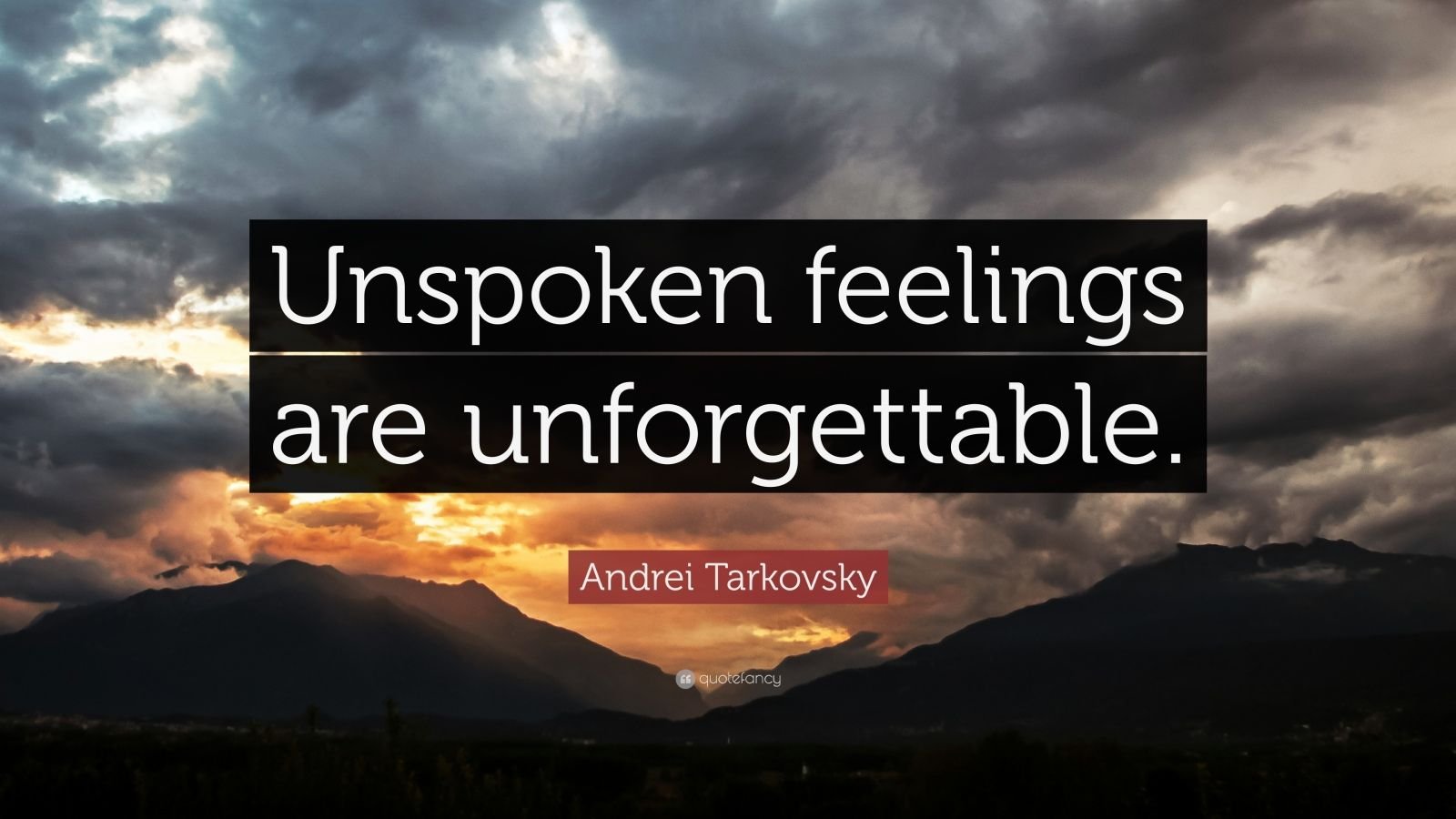
Sometimes, the feelings we never express are the ones that affect us the most. We may smile in front of others, laugh at their jokes, and continue with our daily routines while carrying emotions that nobody knows about. These hidden emotions are often called unspoken feelings. They are the words we want to say but cannot, the love we are afraid to confess, and the pain we hide because we do not know how to explain it.
Unspoken feelings are a natural part of human life. Almost everyone has experienced a moment when their heart wanted to speak, but their lips remained silent. Sometimes, we stay quiet because we fear rejection. Other times, we worry about hurting someone, losing a relationship, or changing a situation that already means a great deal to us.
Although silence can protect us from uncomfortable conversations, it can also create emotional distance. Understanding unspoken feelings helps us understand ourselves, recognize the emotions of others, and build deeper connections with the people who matter to us.
What Are Unspoken Feelings?
Unspoken feelings are emotions that a person experiences but chooses not to express openly. They can include love, sadness, disappointment, jealousy, gratitude, regret, fear, or even happiness. These feelings may remain hidden for days, months, or sometimes years.
For example, someone might secretly love a close friend but never reveal their feelings because they fear ruining the friendship. A person may feel hurt by a family member’s words but remain silent to avoid an argument. Someone else might appreciate a friend deeply yet struggle to express how important that person is in their life.
In each situation, the emotion exists even though it is not spoken aloud.
The interesting thing about unspoken feelings is that they do not always remain invisible. They may appear through small actions, changes in behavior, facial expressions, or the way someone treats another person. However, these signs can be misunderstood, which is why honest communication matters.
Why Do People Hide Their Feelings?
There is rarely just one reason why people keep their emotions inside. Human relationships are complicated, and expressing feelings can make us feel vulnerable.
One of the most common reasons is the fear of rejection. Telling someone how we truly feel means accepting that they might not feel the same way. For many people, the possibility of losing a relationship or facing embarrassment seems more painful than keeping their emotions secret.
Past experiences can also influence the way people communicate. Someone who has been ignored, criticized, or betrayed may find it difficult to trust others with their emotions. They may believe that staying silent is safer than opening their heart again.
Social expectations play a role as well. Some people grow up hearing that they should be strong, avoid crying, or keep personal problems private. Over time, they learn to hide their emotions even when they desperately need support.
Sometimes, people remain silent because they cannot understand their own feelings. They know something is bothering them, but they struggle to find the right words. In these moments, silence is not always a deliberate choice. It can simply reflect emotional confusion.
Unspoken Love and Hidden Romantic Feelings
Love is one of the most powerful forms of unspoken emotion. It can make ordinary moments feel special, turn a simple message into the highlight of a day, and make a person’s presence comforting without any obvious explanation.
When romantic feelings remain unexpressed, even small interactions can carry deep meaning for the person experiencing them. A brief conversation, a shared smile, or an unexpected question may stay in their thoughts long after the moment has passed.
Yet hidden love can also be difficult to carry. A person may spend hours wondering whether their feelings are mutual, analyzing conversations, or imagining what might happen if they finally spoke honestly.
The problem is that silence leaves room for uncertainty. We may believe that someone understands our feelings through our actions, but they might have no idea what is happening inside us.
There is nothing wrong with taking time before confessing romantic feelings. Choosing the right moment and respecting another person’s boundaries are important. However, when silence becomes a source of constant sadness, an honest conversation may offer more peace than endless guessing.
Even if the answer is not what we hoped for, knowing the truth can help us move forward.
The Pain Behind Unspoken Feelings
Not every hidden emotion is connected to love. Sometimes, unspoken feelings come from disappointment, loneliness, grief, or the sense that nobody truly understands us.
A person can be surrounded by friends and family and still feel emotionally alone. They may have people to talk to but no one they feel comfortable sharing their deepest thoughts with. As a result, they keep saying, “I’m fine,” even when they are struggling.
This kind of silence can become exhausting. When emotions remain unexpressed for too long, a person may find themselves becoming irritable, distant, anxious, or unusually sensitive. They might react strongly to small situations because those moments remind them of feelings they have been holding inside.
Of course, silence does not affect everyone in the same way, and keeping something private is not automatically unhealthy. Sometimes, people simply need time to process an experience before discussing it.
The important thing is to recognize when privacy becomes isolation. Feelings deserve attention, even when they are difficult to explain. Giving ourselves permission to acknowledge sadness, anger, or disappointment is an important step toward emotional well-being.
How Unspoken Feelings Affect Relationships
Relationships depend on communication, trust, and mutual understanding. When important emotions remain hidden, misunderstandings can gradually develop.
For instance, one person may remain quiet because they feel hurt, while the other assumes everything is normal. As time passes, the first person becomes increasingly distant, and the second cannot understand why the relationship has changed.
Similar situations happen in friendships, romantic partnerships, and families. People sometimes expect others to understand their needs without explaining them. Although emotional awareness is valuable, nobody can read another person’s mind perfectly.
Unspoken appreciation can also affect relationships. We may assume our parents know how much we love them, our friends know how grateful we are, or our partners understand how much they mean to us. While these assumptions may sometimes be correct, expressing appreciation can strengthen emotional connections.
A simple sentence such as “I’m grateful to have you in my life” can mean more than we realize.
Healthy communication does not require sharing every thought. Instead, it means being willing to express important feelings when they affect our relationships, boundaries, or well-being.
Signs That Someone May Be Hiding Their Emotions
People express emotions differently, so there is no single behavior that proves someone is hiding their feelings. Nevertheless, certain changes may suggest that a person is struggling to communicate something important.
They might become unusually quiet around someone they care about, avoid difficult conversations, or change the subject whenever emotions come up. Some people use humor to cover their discomfort, while others become distant because they do not know how to explain what they are experiencing.
A person might also show affection through actions rather than words. They may remember small details, offer help without being asked, or consistently make time for someone important to them.
However, these behaviors should not be treated as definite proof of hidden love, sadness, or any other specific emotion. The same action can have many explanations.
Instead of making assumptions, it is better to approach people with kindness and curiosity. Asking, “Is something on your mind?” or “Would you like to talk about how you’re feeling?” creates an opportunity for honest communication without forcing someone to share before they are ready.
How to Express Unspoken Feelings
Expressing emotions can feel uncomfortable, especially when we have spent years keeping them hidden. Fortunately, learning to communicate honestly is a gradual process rather than something we must master overnight.
Start by understanding your own emotions. Before speaking to another person, take some time to identify what you are feeling. Are you disappointed, afraid, lonely, grateful, or in love? Naming an emotion can make it easier to understand what you need.
Write your thoughts down. Journaling can help organize feelings that seem confusing in your mind. You do not need perfect sentences or impressive words. Write honestly, without worrying about how your thoughts sound.
Choose a comfortable moment. Important conversations are usually easier when both people have enough time and privacy. Avoid starting a sensitive discussion when someone is already overwhelmed or distracted.
Speak from your own experience. Instead of blaming another person, explain how a situation affected you. For example, saying, “I felt hurt when we stopped talking,” may encourage a more productive conversation than making accusations.
Accept that you cannot control the response. You can communicate your feelings respectfully, but you cannot decide how another person will react. Their response may be different from what you hoped for, and that does not make your emotions meaningless.
Most importantly, remember that you do not have to reveal everything at once. Even a small, honest statement can be a meaningful beginning.
Learning to Listen to Other People’s Silence
Understanding unspoken feelings also means becoming a better listener. Sometimes, people do not need immediate advice or solutions. They simply need someone who will listen without judging them.
When a friend seems unusually quiet, try not to assume that they are angry or uninterested. Give them space, show genuine concern, and let them decide whether they want to talk.
If someone shares something personal, resist the urge to interrupt or compare their experience with your own. Acknowledging their emotions can help them feel understood.
At the same time, remember that silence has many meanings. It can indicate discomfort, tiredness, a desire for privacy, or nothing unusual at all. Respecting another person’s boundaries is just as important as recognizing their emotions.
Real emotional understanding comes from combining observation with communication rather than relying on guesses.
Finding Peace With Feelings That Remain Unspoken
Not every feeling needs to become a confession or a conversation. Sometimes, we choose not to express an emotion because doing so would be unhelpful, unsafe, or inconsistent with our personal boundaries.
You may decide not to confess feelings for someone who is unavailable. You might choose to forgive privately without reopening a painful relationship. You may also need time to process grief before explaining it to others.
These choices can be healthy when they come from self-awareness rather than overwhelming fear.
However, unspoken emotions should not become a reason to punish yourself. You are allowed to feel deeply, make mistakes, change your mind, and learn how to communicate more openly.
If a hidden emotion becomes persistent or difficult to manage, consider speaking with someone you trust or seeking support from a qualified mental health professional.
Peace does not always come from saying everything we feel. Sometimes, it comes from understanding those feelings, accepting what we cannot change, and choosing what to do next.
Frequently Asked Questions (FAQs) About Unspoken Feelings
1. What are unspoken feelings?
Unspoken feelings are emotions that a person experiences but does not express openly. These feelings may include love, sadness, fear, disappointment, or gratitude. People often keep their emotions hidden because they are afraid of rejection, misunderstandings, or hurting someone they care about.
2. Why do people hide their feelings?
People hide their feelings for many reasons, including fear of rejection, past emotional pain, a lack of confidence, or difficulty expressing themselves. Sometimes, they remain silent because they believe sharing their emotions could change an important relationship.
3. What are the signs of unspoken feelings?
Common signs may include unusual silence, nervousness around a particular person, avoiding emotional conversations, or showing care through small actions. However, these behaviors do not always indicate hidden emotions, so honest communication is the best way to understand someone’s feelings.
4. Can unspoken feelings affect relationships?
Yes, unspoken feelings can sometimes create misunderstandings, emotional distance, and frustration in relationships. When people avoid discussing their emotions, others may misunderstand their behavior or fail to recognize their needs. Open and respectful communication can help build trust and strengthen relationships.
5. How can I express my unspoken feelings?
You can begin by identifying your emotions and finding simple words to describe them. Writing your thoughts in a journal can also help. When you feel ready, choose a comfortable moment to talk honestly with the person involved. Remember that expressing your feelings does not require perfect words.
6. Are unspoken feelings always related to love?
No, unspoken feelings are not always connected to romantic love. They can include sadness, anger, regret, appreciation, loneliness, or disappointment. People may hide these emotions because they struggle to explain them or feel uncomfortable discussing personal experiences.
7. Can unspoken feelings turn into emotional pain?
Yes, keeping difficult emotions hidden for a long time can contribute to stress, loneliness, frustration, or misunderstandings. Although taking time to process emotions is normal, sharing them with a trusted person can sometimes provide relief and help you understand your feelings more clearly.
8. How can I find peace with unspoken feelings?
Finding peace begins with accepting your emotions without judging yourself. Try to understand what you feel, write down your thoughts, and decide whether expressing them would be helpful. If a conversation is not possible or appropriate, accepting the situation and focusing on your emotional well-being can help you move forward.
Conclusion
Unspoken feelings are part of what makes human emotions so complex. They remind us that people often carry private experiences that cannot be understood through appearances alone. Behind a smile, there may be sadness. Behind silence, there may be fear. And behind an ordinary act of kindness, there may be affection that someone has never learned to express.
Although keeping feelings hidden can sometimes protect us, allowing fear to control every important conversation can leave us with unnecessary uncertainty and regret.
Learning to understand our emotions, communicate honestly, and listen with compassion can make our relationships stronger and our inner lives more peaceful.
We do not always need perfect words to express what matters. Sometimes, a simple sentence, a sincere conversation, or a small act of honesty is enough to open a door that has remained closed for years.
In the end, unspoken feelings remind us of one important truth: our emotions deserve understanding, our voices deserve respect, and meaningful connections often begin when we find the courage to share a little more of what is in our hearts.
Leave a Reply