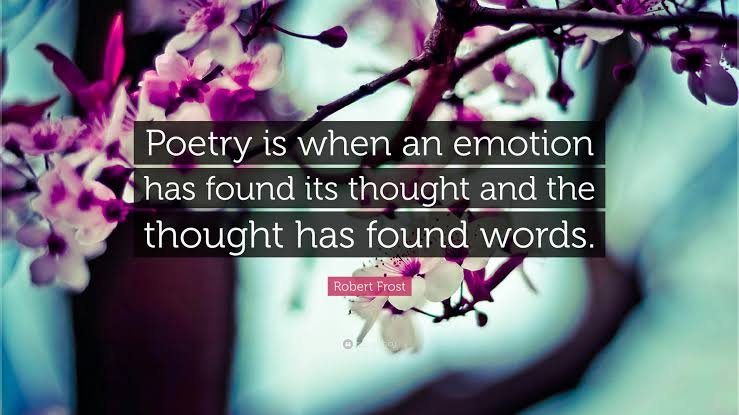
There are some feelings that are difficult to explain in ordinary conversation. Sometimes, a person can talk for hours and still fail to describe what is happening inside their heart. This is where emotional poetry becomes meaningful. Poetry gives people a way to express sadness, love, loneliness, hope, heartbreak, memories, and countless other emotions that may be difficult to put into everyday words.
Emotional poetry is not simply a collection of beautiful sentences. It is a reflection of the human heart. A few carefully chosen words can bring back an old memory, describe a hidden pain, or remind someone that they are not alone. That is why people have turned to poetry for centuries whenever they have needed a voice for their deepest emotions.
What Is Emotional Poetry?
Emotional poetry is poetry that focuses primarily on feelings and personal experiences. Unlike poetry that may concentrate on nature, history, humor, or storytelling, emotional poetry goes deeper into the emotional side of life.
It can describe the happiness of falling in love, the pain of losing someone, the loneliness of being misunderstood, or the quiet strength that comes after difficult times. Sometimes, it is gentle and hopeful. At other times, it can be raw, heartbreaking, and deeply personal.
The beauty of emotional poetry is that it does not have to follow one particular style. A poem can be only a few lines long or several pages. It can rhyme, or it can be written in free verse. What matters most is whether the words make the reader feel something genuine.
Why Does Emotional Poetry Touch the Heart?
One reason emotional poetry is so powerful is that emotions are universal. People may come from different countries, cultures, and backgrounds, but many of their feelings are surprisingly similar.
Almost everyone has experienced love. Most people know what it feels like to miss someone. Many have experienced disappointment, loneliness, hope, or heartbreak. When readers find these emotions expressed in poetry, they often recognize a part of themselves in the words.
A simple line about missing someone can suddenly bring back a memory. A poem about heartbreak can make someone feel understood after a difficult breakup. A hopeful poem can provide comfort when life seems uncertain.
In this way, emotional poetry creates a quiet connection between the writer and the reader. The poet shares a feeling, and the reader discovers that they are not alone in experiencing it.
Emotional Poetry About Love
Love has always been one of the strongest sources of poetry. From the excitement of a new relationship to the deep comfort of a long-lasting connection, love creates emotions that people naturally want to express.
Romantic emotional poetry can describe the little things that make someone special: their smile, their voice, their presence, or even the memories created together. Sometimes the most touching love poems are not about dramatic moments. They are about ordinary moments that become precious because of the person involved.
Love poetry can also explore unrequited love. Loving someone who does not feel the same way can create a complicated mixture of hope and sadness. Poetry gives people a safe place to express these feelings without having to say them directly.
For many people, writing a love poem is easier than saying “I love you” face to face. Poetry allows emotions to become more personal, thoughtful, and meaningful.
Emotional Poetry About Heartbreak
Heartbreak is another major theme in emotional poetry. When a relationship ends, people often experience emotions that are difficult to organize. There may be sadness, anger, confusion, regret, and even hope that things could somehow return to the way they were.
Poetry can help give these emotions a shape.
A heartbreak poem does not necessarily need to blame anyone. Sometimes it simply accepts that something beautiful has ended. It can remember the good moments while acknowledging the pain of losing them.
Writing about heartbreak can also be part of healing. When people put their feelings into words, they may begin to understand what they are going through. The pain may not disappear immediately, but expressing it can make it feel less overwhelming.
Emotional Poetry and Loneliness
Loneliness is a quiet emotion, and that is exactly why it can be difficult to explain. A person can be surrounded by people and still feel completely alone.
Emotional poetry often captures this hidden side of loneliness. It can describe empty rooms, unanswered messages, silent nights, forgotten memories, or the feeling of wanting someone to understand without knowing how to ask for help.
Readers who experience loneliness may find comfort in such poems because they realize that someone else has felt the same way.
Sometimes, a poem does not need to provide an answer. Simply saying, “I understand this feeling,” can be enough to make a lonely person feel a little less isolated.
The Role of Memories in Emotional Poetry
Memories are another powerful source of emotion. A smell, a song, a photograph, or a familiar place can suddenly take someone back to a different time.
Poets often use memories to explore both happiness and sadness. A childhood memory may bring warmth and nostalgia, while remembering someone who is no longer part of our lives can create a sense of loss.
The interesting thing about memories is that they change as we grow older. A moment that seemed ordinary years ago may become incredibly valuable later. Emotional poetry allows writers to return to these moments and look at them from a different perspective.
Through poetry, a memory can become more than something that happened in the past. It can become a story, a lesson, or a reminder of how deeply a person once felt.
How Emotional Poetry Can Help With Healing
Writing is often a form of emotional release. When feelings remain inside the mind, they can become confusing and overwhelming. Putting them into words can create a sense of clarity.
This does not mean that writing a poem will solve every problem. However, it can provide a private space where a person can be completely honest.
A writer does not have to impress anyone. They do not need perfect grammar or complicated vocabulary. They simply need to express what they genuinely feel.
For some people, writing emotional poetry becomes a form of self-reflection. They begin writing about sadness and eventually discover hope. They write about loss and find gratitude. They write about heartbreak and slowly realize that they are becoming stronger.
In this sense, poetry can become part of a personal healing journey.
What Makes Emotional Poetry Powerful?
The strongest emotional poetry usually feels honest. Readers can often tell when a poem comes from a genuine emotion rather than an attempt to sound impressive.
Simple language can sometimes be more powerful than complicated words. A sincere sentence about missing someone may touch the heart more deeply than a page filled with difficult vocabulary.
Imagery is also important. Instead of simply saying “I am lonely,” a poet might describe an empty chair, a silent phone, or a room that feels unusually large at night. These images allow readers to experience the emotion rather than simply being told about it.
Another important quality is vulnerability. Emotional poetry often reveals something personal. The writer may share a fear, regret, dream, or memory that they normally keep hidden. That honesty creates a stronger emotional connection with the reader.
How to Write Your Own Emotional Poetry
Anyone can write emotional poetry. You do not need to be a professional writer or an expert in literature.
Start with one emotion. It could be love, sadness, anger, hope, regret, or gratitude. Think about a specific moment connected to that emotion.
Instead of trying to write something beautiful immediately, write honestly. Ask yourself questions such as:
What happened?
How did I feel at that moment?
What do I remember most clearly?
What did I wish I could have said?
How do I feel about it now?
The answers can become the foundation of your poem.
Try using specific details. Describe the place, weather, sound, expression, or small object connected to the memory. These details make a poem feel personal and real.
Most importantly, do not worry too much about perfection. Emotional poetry is about connection. If the words honestly represent what you feel, they already have value.
Emotional Poetry in the Digital Age
Today, poetry is easier to share than ever before. Social media platforms have created huge communities of people who enjoy reading and writing short emotional poems.
A few lines can reach thousands of readers within minutes. People often share poems that describe feelings they have experienced but could never explain themselves.
This has made emotional poetry especially popular among younger generations. Short poems about love, relationships, healing, loneliness, and self-worth are frequently shared because they are easy to understand and emotionally relatable.
However, the most meaningful poetry is not necessarily the poetry that receives the most attention online. A poem can be valuable even if only one person reads it and feels understood.
Frequently Asked Questions About Emotional Poetry
1. What is emotional poetry?
Emotional poetry is a type of poetry that expresses deep human feelings such as love, sadness, heartbreak, loneliness, hope, and memories. It helps writers communicate emotions that can sometimes be difficult to express through ordinary conversation.
2. Why is emotional poetry so popular?
Emotional poetry is popular because people can easily relate to its themes. Feelings like love, loss, loneliness, and heartbreak are common human experiences, so readers often see their own emotions reflected in meaningful poems.
3. How can emotional poetry help with healing?
Writing or reading emotional poetry can provide a healthy way to express difficult feelings. Putting emotions into words may help a person understand their thoughts, release emotional pressure, and feel less alone during challenging times.
4. What are the common themes in emotional poetry?
Common themes include love, heartbreak, loneliness, memories, friendship, loss, hope, regret, self-discovery, and personal growth. These themes allow poets to explore different experiences and emotions in a meaningful way.
5. How can I write an emotional poem?
Start by choosing one strong emotion or personal experience. Write honestly about what happened, how you felt, and what the experience means to you now. Using personal memories, simple language, and vivid details can make your poem more emotional and relatable.
6. Does emotional poetry have to rhyme?
No, emotional poetry does not have to rhyme. A poem can use rhyme, rhythm, or free verse. The most important part is expressing the emotion naturally and creating a meaningful connection with the reader.
7. Can emotional poetry be about happiness and hope?
Yes. Emotional poetry is not limited to sadness or heartbreak. It can also express happiness, gratitude, love, confidence, healing, and hope. Positive emotional poems can inspire readers and remind them of the beautiful parts of life.
8. Where can I use emotional poetry?
Emotional poetry can be shared on social media, personal blogs, poetry websites, greeting cards, journals, or messages to someone special. It can also be kept private as a personal way to record thoughts, memories, and feelings.
Final Thoughts
Emotional poetry gives people a language for feelings that ordinary conversation sometimes cannot express. It allows us to explore love, heartbreak, loneliness, memories, hope, and the many complicated emotions that make us human.
Whether you are reading a poem during a difficult night or writing your own words after an unforgettable experience, poetry can provide comfort and understanding. It reminds us that our feelings matter and that someone, somewhere, may have experienced something very similar.
Perhaps that is the greatest power of emotional poetry. It takes a private feeling and turns it into something another person can understand. A few honest lines can cross the distance between two hearts and quietly say, “You are not alone.”
And sometimes, when life becomes difficult and ordinary words are not enough, that simple connection is exactly what we need.
Leave a Reply