Introduction
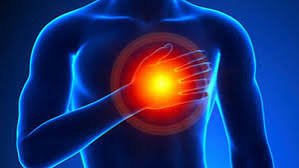
Heart pain is a symptom that can cause fear and concern for many people. A sudden ache, pressure, tightness, or burning sensation in the chest may lead someone to wonder whether something is wrong with their heart. While heart pain can sometimes be related to stress, muscle strain, or digestive problems, it can also be a warning sign of a serious medical condition.
Understanding the possible causes of heart pain is important because not every type of chest discomfort has the same meaning. Some symptoms may improve with rest, while others require immediate medical attention. Knowing the warning signs and understanding when to seek professional help can make a significant difference in protecting your health.
In this article, we will explore the common causes of heart pain, its symptoms, possible risk factors, available treatments, and practical steps that may help support heart health.
What Is Heart Pain?
Heart pain usually refers to discomfort in the chest that may be caused by a problem involving the heart or the blood vessels supplying it. People describe this discomfort in different ways. Some experience a feeling of pressure or heaviness, while others notice squeezing, tightness, or pain that spreads to nearby areas.
One common cause of heart-related chest pain is angina. This happens when the heart muscle does not receive enough oxygen-rich blood, often because the coronary arteries have become narrowed. Angina may occur during physical activity or emotional stress and can improve with rest, although new or worsening symptoms need medical assessment.
A heart attack is another serious cause of chest pain. It occurs when blood flow to part of the heart muscle becomes severely reduced or blocked, potentially damaging the heart tissue.
However, pain in the chest does not always originate from the heart. Problems involving the lungs, stomach, ribs, muscles, or nerves can produce similar sensations. Because these conditions may feel alike, it is not always possible to identify the cause based on symptoms alone.
Common Causes of Heart Pain
There are several possible reasons why a person may experience pain or discomfort around the chest. Identifying the underlying cause is essential for choosing the right treatment.
1. Heart Attack
A heart attack is one of the most dangerous causes of heart-related pain. It often occurs when a blood clot blocks blood flow through a coronary artery. Without an adequate oxygen supply, the affected heart muscle can begin to suffer damage.
Symptoms may include chest pressure, squeezing, heaviness, shortness of breath, cold sweating, nausea, dizziness, or discomfort in the arms, back, neck, jaw, or upper abdomen.
Not everyone experiences a dramatic or sudden episode. Some people have relatively mild symptoms, and others may experience unusual fatigue or breathlessness without prominent chest pain.
A suspected heart attack is a medical emergency. Call your local emergency service immediately rather than waiting to see whether the symptoms disappear.
2. Angina
Angina is chest discomfort caused by reduced blood flow to the heart muscle. It commonly develops when the heart needs more oxygen than the coronary arteries can supply.
Some people notice symptoms while walking quickly, climbing stairs, exercising, or dealing with emotional stress. The discomfort may feel like pressure, squeezing, or heaviness in the chest.
Stable angina often follows a familiar pattern and may improve with rest or prescribed medication. However, chest pain that becomes more frequent, lasts longer, occurs at rest, or feels different from usual may indicate a dangerous condition.
Any new or changing chest pain should be assessed promptly by a healthcare professional.
3. Stress and Anxiety
Stress and anxiety can produce physical symptoms that feel similar to heart pain. During periods of intense anxiety, the body releases stress hormones that can increase the heart rate, change breathing patterns, and create muscle tension.
A person may experience chest tightness, a racing heartbeat, dizziness, sweating, or a sensation of not getting enough air. Panic attacks can cause these symptoms to appear suddenly and feel frightening.
Although anxiety can contribute to chest discomfort, it is important not to assume that pain is caused by stress without considering other possibilities. New, severe, or unexplained chest pain requires medical evaluation.
4. Acid Reflux and Digestive Problems
Digestive conditions are another common source of chest discomfort. Acid reflux occurs when stomach acid moves upward into the esophagus, the tube connecting the mouth and stomach.
This can create a burning sensation behind the breastbone, especially after eating, bending over, or lying down. Some people also experience a sour taste in the mouth, bloating, or frequent belching.
Digestive pain can resemble heart-related discomfort, making it difficult to distinguish between the two without an appropriate assessment. If chest pain is new, severe, or accompanied by warning signs such as breathlessness or sweating, seek emergency help instead of assuming it is indigestion.
5. Muscle Strain and Rib Problems
The muscles, joints, and bones surrounding the chest can also cause pain. Heavy lifting, strenuous exercise, coughing, or an awkward movement may strain the chest muscles.
This discomfort may become more noticeable when twisting the body, moving the arms, taking a deep breath, or pressing on the affected area.
Although pain that changes with movement or touch may suggest a muscular cause, it does not completely rule out a serious medical problem. Persistent or unexplained symptoms should be checked by a healthcare professional.
6. Lung-Related Conditions
Certain lung conditions can cause chest pain that may be confused with heart pain. These include pneumonia, inflammation of the lining around the lungs, and pulmonary embolism, which occurs when a blood clot blocks an artery in the lungs.
Symptoms can include sharp chest pain, difficulty breathing, coughing, fever, or a rapid heartbeat. A pulmonary embolism may cause sudden breathlessness, chest pain that worsens with breathing, coughing up blood, or fainting.
Sudden breathing difficulties or severe chest pain require immediate medical attention.
Symptoms That May Accompany Heart Pain
Heart-related pain does not feel the same for everyone. Recognizing the different symptoms can help people understand when medical assistance may be necessary.
Common warning signs include:
- Pressure, squeezing, tightness, or heaviness in the chest.
- Pain or discomfort spreading to one or both arms, the shoulders, back, neck, or jaw.
- Shortness of breath, even without obvious chest pain.
- Cold sweating or unusually clammy skin.
- Nausea, vomiting, or an upset stomach.
- Dizziness, weakness, or feeling faint.
- Unusual tiredness, particularly when accompanied by other symptoms.
- A rapid or irregular heartbeat.
Some people, including older adults and individuals with diabetes, may experience less typical symptoms. Women may also experience symptoms such as unusual fatigue, nausea, back discomfort, or breathlessness, sometimes alongside chest discomfort.
These symptoms do not automatically mean that someone is having a heart attack, but they should never be ignored when they are new, severe, or unexplained.
When Should You Seek Emergency Medical Help?
Knowing when to seek emergency care is one of the most important parts of understanding heart pain.
Call your local emergency service if you experience sudden or persistent chest pressure, severe chest discomfort, unexplained shortness of breath, or chest pain accompanied by cold sweating, faintness, nausea, or pain spreading to the arm, jaw, or back.
Do not wait for every symptom to appear. A heart attack can occur without the classic combination of chest pain and sweating.
While waiting for emergency assistance, stop physical activity and rest in a comfortable position. Follow instructions from the emergency dispatcher. Do not drive yourself to the hospital if a heart attack is suspected.
If you have prescribed medication for a known heart condition, use it according to your clinician’s instructions. Do not take someone else’s medication or delay emergency care while trying home remedies.
Even if the pain disappears, a new or unexplained episode may still need prompt medical assessment.
How Is Heart Pain Diagnosed?
Doctors use several methods to determine whether chest discomfort is related to the heart or another condition. The evaluation depends on the person’s symptoms, medical history, risk factors, and the urgency of the situation.
An electrocardiogram, commonly called an ECG or EKG, records the electrical activity of the heart. It can help identify certain signs of a heart attack or an abnormal heart rhythm.
Blood tests, including tests for a protein called troponin, can help detect damage to heart muscle. Depending on the situation, doctors may also recommend an echocardiogram, which uses sound waves to create images of the heart.
Other tests may include a chest X-ray, a stress test, or imaging of the coronary arteries. If a lung or digestive problem is suspected, additional investigations may be needed.
No single test is appropriate for every patient. Medical professionals use the overall clinical picture to determine the likely cause and the safest treatment plan.
Treatment Options for Heart Pain
Treatment depends on what is causing the discomfort. There is no single remedy that is suitable for every type of chest pain.
A heart attack requires emergency treatment to restore blood flow to the affected part of the heart. Depending on the circumstances, treatment may include medicines, a procedure to open a blocked coronary artery, or other hospital-based interventions.
Angina may be managed through prescribed medication, lifestyle changes, and procedures when necessary. Treatment aims to improve blood flow, reduce symptoms, and lower the risk of future cardiovascular events.
If acid reflux is responsible, a clinician may recommend dietary adjustments, changes in eating habits, or appropriate medication. Muscle-related pain may improve with rest and targeted treatment after a serious cause has been excluded.
Anxiety-related symptoms may benefit from stress-management techniques, counseling, or medical treatment when appropriate.
The most important step is to identify the underlying cause rather than treating chest pain based on guesswork.
How to Reduce the Risk of Heart Problems
Although not every heart condition can be prevented, healthy daily habits can reduce the risk of many cardiovascular problems.
Eat a Balanced Diet
Choose a variety of vegetables, fruits, whole grains, beans, nuts, and other nutritious foods. Include appropriate sources of protein and favor unsaturated fats over excessive saturated and trans fats.
Limiting excess salt, added sugar, and highly processed foods can also support overall cardiovascular health.
Stay Physically Active
Regular physical activity helps support healthy blood pressure, cholesterol levels, and blood sugar. Many adults can aim for at least 150 minutes of moderate-intensity aerobic activity each week, provided their health allows it.
Walking, swimming, cycling, and other enjoyable activities can be useful options. Anyone with existing heart disease or symptoms during exercise should ask a healthcare professional what level of activity is safe.
Avoid Smoking
Smoking damages blood vessels and increases the risk of heart disease. Quitting can improve cardiovascular health, and professional support may make the process easier.
Avoiding secondhand smoke is also beneficial.
Manage Blood Pressure and Cholesterol
High blood pressure and unhealthy cholesterol levels may not cause noticeable symptoms, but both can increase the risk of heart disease over time.
Regular health checkups can help identify these problems. If medication is prescribed, take it as directed and discuss any concerns with your healthcare professional.
Maintain a Healthy Weight
A healthy weight can help reduce the likelihood of developing conditions associated with heart disease, including high blood pressure and type 2 diabetes.
Focus on sustainable eating habits, regular movement, adequate sleep, and realistic goals rather than extreme diets.
Manage Stress and Get Enough Sleep
Long-term stress and poor sleep can affect overall health. Relaxation exercises, social support, enjoyable activities, and a consistent sleep schedule may help improve well-being.
Stress management is useful, but it should never replace medical assessment for unexplained chest pain.
Frequently Asked Questions About Heart Pain
Can heart pain occur on the right side of the chest?
Yes. Although heart-related discomfort is often felt in the center or left side of the chest, it can sometimes occur elsewhere, including the right side. The location alone cannot reliably determine whether the heart is responsible.
Can heart pain occur without shortness of breath?
Yes. Some people experience chest discomfort without breathing difficulties. Others may have breathlessness or unusual fatigue with little or no obvious chest pain. New or unexplained symptoms should be assessed appropriately.
Is heart pain always severe?
No. Heart-related discomfort can range from mild pressure to severe pain. A person should not judge the seriousness of a possible heart problem solely by how intense the pain feels.
Can young adults experience heart pain?
Yes. Heart attacks are less common in young adults than in older people, but they can still occur. Chest pain in younger individuals may have many other causes, and serious symptoms should always be taken seriously.
Can drinking water relieve heart pain?
Drinking water may help with ordinary thirst or dehydration, but it is not a treatment for a heart attack or other serious heart conditions. Never rely on water, herbal remedies, or home treatments when emergency symptoms are present.
Conclusion
Heart pain can have several causes, ranging from muscle strain and acid reflux to angina and a heart attack. Although some causes are relatively minor, others require urgent medical treatment. Recognizing warning signs such as chest pressure, shortness of breath, cold sweating, dizziness, and discomfort spreading to the arms or jaw can help people respond appropriately.
The safest approach is to avoid self-diagnosis and seek professional advice when chest pain is new, unexplained, or persistent. Call emergency services immediately if a heart attack or another serious condition is suspected.
A balanced diet, regular physical activity, avoiding smoking, managing blood pressure, and attending routine health checkups can all contribute to better heart health. Most importantly, listen to your body and never ignore symptoms that could signal a medical emergency.
Leave a Reply