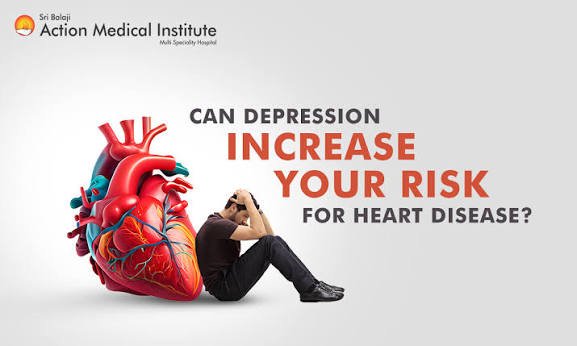
A depressed heart is more than a feeling of sadness. It is a deep emotional state in which a person may feel lonely, tired, disappointed, or disconnected from the world around them. Sometimes, people smile in front of others while silently struggling with pain inside. They continue their daily routines, talk to friends, and fulfill their responsibilities, but deep down, they may feel that something is missing from their lives.
The phrase “depressed heart” often describes the emotional weight people carry after heartbreak, personal struggles, loneliness, or difficult life experiences. It expresses feelings that are sometimes hard to explain in words. Although everyone experiences sadness from time to time, emotional pain can become overwhelming when it continues for a long period.
Understanding a depressed heart is the first step toward recognizing emotional struggles and finding healthier ways to cope with them. Every person deserves kindness, understanding, and the opportunity to feel better, even when life seems difficult.
What Does a Depressed Heart Mean?
A depressed heart refers to a feeling of deep sadness, emotional exhaustion, or inner pain. It is a common expression used to describe moments when someone feels disappointed, hopeless, or emotionally disconnected. A person experiencing these feelings may struggle to explain what is wrong because the pain does not always have one clear cause.
Sometimes, emotional sadness develops after losing someone important. In other situations, it may result from family problems, relationship difficulties, financial stress, or the pressure of everyday life. Even when everything appears normal from the outside, a person may be struggling internally.
A depressed heart does not necessarily mean that someone has clinical depression. The phrase can describe temporary sadness, emotional heartbreak, or more persistent mental health difficulties. Clinical depression is a health condition that requires proper assessment by a qualified professional.
It is important to remember that emotional pain is real, regardless of its cause. People should not feel ashamed of their feelings or believe they must hide their struggles to appear strong.
Common Reasons Behind a Depressed Heart
Every person has a different story, and emotional pain can develop for many reasons. Understanding these causes can help people recognize their feelings and respond to them with greater compassion.
1. Heartbreak and Lost Love
Love can bring happiness, comfort, and a sense of belonging. However, when a relationship ends, the emotional pain can feel overwhelming. A person may miss the conversations, memories, and small moments they once shared with someone special.
Heartbreak can also create feelings of rejection and self-doubt. Someone might repeatedly question what went wrong or wonder whether they could have done something differently. These thoughts can make it difficult to move forward.
Healing after heartbreak takes time. Accepting the end of a relationship, setting healthy boundaries, and allowing yourself to experience emotions can gradually make the situation easier to manage.
2. Loneliness and Isolation
Loneliness is another common reason behind a depressed heart. A person can feel lonely even when surrounded by friends, family members, or colleagues. This often happens when they feel misunderstood or believe they cannot openly discuss their emotions.
When people keep their feelings hidden for too long, they may begin to feel disconnected from others. They might stop participating in activities they once enjoyed or avoid conversations because they do not have the energy to explain what they are experiencing.
Building meaningful connections can help reduce loneliness. Sometimes, a simple conversation with a trusted friend can provide comfort and remind someone that they do not have to face everything alone.
3. Disappointment and Broken Trust
Trust is an important part of every healthy relationship. When someone breaks that trust, the experience can leave lasting emotional pain. Betrayal by a friend, partner, or family member may cause a person to question their judgment and become cautious about trusting others again.
Disappointment can also arise when life does not meet our expectations. People may work hard toward a goal and still experience failure. They may support others without receiving the same care in return.
Although these experiences can hurt deeply, they do not determine a person’s worth. Disappointment is part of life, and one painful experience does not mean every future relationship or opportunity will end the same way.
Signs That Your Heart May Be Emotionally Exhausted
Emotional struggles do not look the same for everyone. Some people express their sadness openly, while others hide it behind humor, silence, or constant activity.
Common signs of emotional distress may include:
- Feeling sad, empty, or hopeless for extended periods.
- Losing interest in hobbies and activities that once brought happiness.
- Experiencing changes in sleep patterns or appetite.
- Feeling tired even after getting enough rest.
- Finding it difficult to concentrate or make decisions.
- Avoiding friends and family members.
- Thinking negatively about yourself or your future.
- Feeling unusually sensitive, irritable, or overwhelmed.
Experiencing one or more of these signs does not automatically mean that someone has depression. However, when these feelings persist, interfere with everyday life, or become difficult to manage, seeking support from a mental health professional can be helpful.
Recognizing emotional distress is not a sign of weakness. It is an opportunity to understand what you need and take steps toward improving your well-being.
Depressed Heart and the Pain of Silence
One of the hardest parts of emotional suffering is feeling unable to explain it. Some people remain silent because they fear being judged. Others worry that their problems will seem unimportant compared with the struggles of people around them.
As a result, they may say they are fine even when they are not.
Silence can sometimes provide space to think, but keeping every painful emotion inside may increase feelings of isolation. People need opportunities to express themselves without worrying that their feelings will be dismissed.
Writing in a journal, speaking with someone trustworthy, or sharing thoughts through poetry can provide a healthy way to express difficult emotions.
It is also important to understand that not everyone will know how to respond when someone shares their pain. A person’s inability to offer perfect advice does not necessarily mean they do not care.
You deserve to be heard. Your feelings matter, and you do not need to prove that your pain is serious enough to deserve support.
The Connection Between a Depressed Heart and Sad Poetry
Sad poetry has long provided a way for people to express emotions that ordinary conversations sometimes cannot capture. Through simple words, meaningful metaphors, and emotional imagery, poetry can describe heartbreak, loneliness, regret, and hope.
For someone experiencing a depressed heart, reading or writing sad poetry may offer a sense of recognition. A poem can express a feeling that has remained difficult to explain for weeks or months. Seeing those emotions written on a page may help someone understand their own experiences more clearly.
For example, a line about a quiet night or an empty room may remind a reader of a difficult memory. Another poem might describe the experience of missing someone who is no longer part of their life.
Sad poetry can also create a feeling of connection. Readers may discover that other people have experienced similar emotions, even if their circumstances are different.
However, poetry should be a form of expression rather than the only way of coping with emotional pain. If sadness becomes persistent or overwhelming, talking with a trusted person or mental health professional can provide additional support.
The beauty of poetry is not that it makes suffering permanent. It is that it can help people put their feelings into words and begin understanding them.
How to Find Peace When Your Heart Feels Depressed
Emotional healing rarely happens overnight. It is usually a gradual process involving patience, self-understanding, and small changes in daily life. Although no single method works for everyone, several healthy habits can help people manage emotional distress.
1. Accept Your Feelings
The first step is to acknowledge what you are experiencing. You do not have to pretend to be happy every day or force yourself to recover immediately.
Allow yourself to feel sad when you need to. At the same time, remember that emotions can change. The way you feel today does not have to define your entire future.
2. Talk to Someone You Trust
Sharing your feelings with a trusted friend, family member, or counselor can make emotional struggles feel less isolating.
You do not need to have the perfect words. You can simply explain that you have been feeling overwhelmed and would appreciate someone listening.
If talking feels difficult, consider writing down your thoughts first.
3. Create a Healthy Daily Routine
When emotional pain affects your motivation, everyday tasks can become challenging. Establishing a manageable routine can provide structure and stability.
Try to maintain regular sleep hours, eat balanced meals, drink enough water, and include some physical movement in your day. Even a short walk outdoors may help you feel more connected to your surroundings.
Start with small, realistic goals instead of expecting yourself to change everything at once.
4. Set Boundaries With People Who Hurt You
Relationships can sometimes become emotionally exhausting. If someone repeatedly disrespects your boundaries or causes harm, creating distance may be necessary.
Setting boundaries does not mean you hate someone. It means you recognize the importance of your emotional well-being.
You cannot control every person’s behavior, but you can decide what treatment you are willing to accept.
5. Seek Professional Support When Needed
If sadness lasts for weeks, affects your ability to function, or comes with persistent hopelessness, consider speaking with a qualified mental health professional.
Depression is treatable, and professional support may include therapy, medication when appropriate, or a combination of approaches.
Asking for help is a responsible step toward recovery. You do not need to wait until your situation becomes unbearable before seeking support.
Learning to Love Yourself Again
A depressed heart can sometimes make a person forget their own value. After repeated disappointments, they may begin believing they are not good enough, not lovable, or somehow responsible for everything that has gone wrong.
These thoughts can feel convincing during difficult moments, but feelings are not always accurate reflections of reality.
Your worth is not determined by whether someone chooses to stay in your life. It is not measured by your achievements, appearance, income, or the approval you receive from others.
Self-love does not mean believing that you are perfect. It means treating yourself with respect while recognizing that you are a human being who makes mistakes, experiences disappointment, and deserves compassion.
Try to notice the way you speak to yourself. If you would never speak harshly to a close friend facing similar struggles, consider offering yourself that same kindness.
Give yourself permission to rest. Celebrate small achievements. Spend time on activities that bring you comfort. Remember the things that make you feel interested, curious, or connected to life.
Healing often begins with small acts of care that may not seem important at first but gradually help rebuild emotional strength.
Finding Hope After Emotional Pain
When the heart feels heavy, imagining a happier future can be difficult. Pain can make the present feel permanent, especially when someone has been struggling for a long time.
However, difficult feelings can change, and circumstances can improve in unexpected ways. Healing does not require forgetting every painful memory or pretending that nothing happened.
Instead, it means learning to carry your experiences without allowing them to control every part of your life.
Some days may feel easier than others. You might feel hopeful one morning and discouraged the next evening. This does not mean you have failed. Emotional recovery is rarely a perfectly straight path.
Try to focus on what is possible today rather than demanding that you solve every problem immediately. A meaningful conversation, a quiet moment outdoors, a creative activity, or asking for help can be a worthwhile beginning.
Hope does not always arrive as a sudden feeling of happiness. Sometimes, it begins with the decision to take one more small step, even when you are not sure what tomorrow will bring.
8 Frequently Asked Questions About Depressed Heart
1. What does a depressed heart mean?
A depressed heart refers to deep sadness, emotional pain, loneliness, or disappointment. It describes the feelings people may experience after heartbreak, loss, or difficult life situations.
2. What causes a depressed heart?
A depressed heart can result from heartbreak, loneliness, broken trust, family problems, personal struggles, or unmet expectations. Everyone experiences emotional pain differently.
3. What are the common signs of a depressed heart?
Common signs include sadness, emotional exhaustion, loneliness, loss of interest in favorite activities, difficulty sleeping, and negative thoughts about the future.
4. How can I heal a depressed heart?
You can begin healing by accepting your feelings, talking to someone you trust, maintaining a healthy routine, practicing self-care, and seeking professional support when needed.
5. Can sad poetry help a depressed heart?
Yes, sad poetry can help people express difficult emotions, understand their feelings, and feel less alone. However, poetry should complement other healthy coping strategies when emotional distress persists.
6. Why does a depressed heart feel lonely?
A depressed heart may feel lonely when a person feels misunderstood, disconnected from others, or unable to share their emotions openly. Supportive relationships can help reduce these feelings.
7. How can I stay positive with a depressed heart?
Focus on small daily goals, spend time with supportive people, practice self-compassion, and make time for activities you enjoy. Remember that healing takes time, and you do not need to feel happy every day.
8. When should I seek help for a depressed heart?
Consider seeking professional help if sadness lasts for several weeks, affects your daily activities, or becomes overwhelming. A qualified mental health professional can help you understand your feelings and explore appropriate treatment options.
Conclusion
A depressed heart represents the emotional pain that can develop through heartbreak, loneliness, disappointment, and difficult life experiences. Although these feelings can make life seem exhausting, they do not define a person’s identity or determine their future.
Understanding your emotions, expressing your thoughts, maintaining healthy habits, and building supportive relationships can help you navigate difficult periods. When sadness becomes persistent or interferes with everyday life, professional support can also make a meaningful difference.
Remember that you do not have to hide your struggles to prove your strength. You are allowed to feel tired, ask for help, and take time to recover.
Life may not always unfold as you expected, and some experiences may leave memories that take time to understand. Still, your story is bigger than your pain. There are opportunities for connection, growth, and happiness that you may not be able to see clearly during difficult moments.
A depressed heart needs compassion, patience, and care—not judgment. Treat yourself gently, reach out when you need support, and remember that even small steps toward healing matter.
Leave a Reply