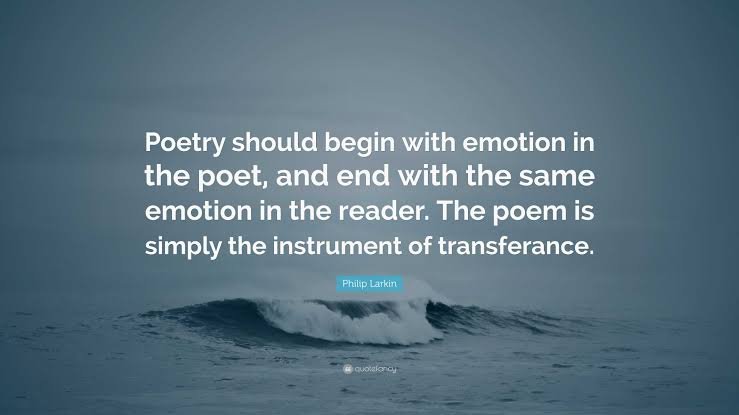
There are feelings that are difficult to explain in ordinary conversation. Sometimes, a person may have a heart full of emotions but still struggle to find the right words to express them. This is where emotional poetry becomes powerful. Poetry gives feelings a voice and allows people to express love, sadness, loneliness, hope, heartbreak, memories, and countless other emotions in a beautiful and meaningful way.
Emotional poetry is not simply a collection of beautiful words. It is a reflection of the human heart. A few carefully chosen lines can sometimes express what a person has been feeling for years. That is why people often turn to poetry when ordinary language does not feel enough.
What Is Emotional Poetry?
Emotional poetry is a form of writing that focuses on feelings and personal experiences. Unlike poetry that mainly describes nature, history, or imaginary worlds, emotional poetry often explores what happens inside the human mind and heart.
It can be about falling in love for the first time, missing someone special, dealing with heartbreak, remembering the past, feeling alone in a crowded room, or finding hope after a difficult period in life.
The beauty of emotional poetry is that it does not need to follow one specific style. It can be short or long, simple or complex, modern or traditional. What matters most is the emotion behind the words.
A simple poem about missing someone can sometimes feel more powerful than a long explanation because poetry allows emotions to be expressed directly and honestly.
Why Do People Love Emotional Poetry?
One of the biggest reasons people connect with emotional poetry is that it makes them feel understood.
There are moments when someone reads a poem and thinks, “This is exactly how I feel.” That connection can be deeply comforting. The poet may be writing about a personal experience, but the reader can see a part of their own life in those words.
Emotional poetry also gives people a safe way to explore feelings. Not everyone finds it easy to talk about sadness, fear, love, or disappointment. Writing those emotions down can make them easier to understand.
For many people, poetry becomes a private conversation with themselves. They can say things on paper that they may never feel comfortable saying aloud.
Emotional Poetry About Love
Love has always been one of the strongest sources of poetry. From the excitement of a new relationship to the quiet comfort of being with someone special, love creates emotions that naturally inspire words.
Romantic emotional poetry can capture the small moments that make relationships meaningful. A smile, a message, a familiar voice, or simply sitting beside someone can become the subject of a poem.
Love poetry is not always about happiness, either. Sometimes love involves distance, uncertainty, sacrifice, or loss. A person may still love someone even after the relationship has ended. Poetry gives such complicated emotions a place to exist.
This is one reason love poems continue to be shared between people. A few lines can become a personal message, a memory, or a way of saying something that feels impossible to express in a normal conversation.
Emotional Poetry About Heartbreak
Heartbreak is another powerful theme in poetry. When a relationship ends, people often experience emotions that are difficult to organize. There may be sadness, anger, confusion, regret, and even hope at the same time.
Writing about heartbreak can help bring some order to those feelings.
A heartbreak poem does not necessarily need to blame anyone. Sometimes, it simply describes the emptiness left behind when someone who once mattered is no longer part of everyday life.
The most touching heartbreak poetry often focuses on small details. An empty chair, an old photograph, a familiar song, or a quiet room can remind someone of a person they have lost.
These details make emotional poetry feel real because they are connected to everyday experiences.
The Role of Sadness in Poetry
Sadness is often considered a negative emotion, but poetry shows that sadness can also lead to creativity and reflection.
When people experience difficult moments, they may begin to notice things they previously ignored. A quiet evening can feel different after a loss. Rain may suddenly remind someone of an old memory. A song may bring back feelings from years ago.
Poetry gives these moments meaning.
Sad emotional poetry does not always make the reader feel worse. In many cases, it can provide comfort. Knowing that someone else has experienced similar emotions can make loneliness feel less overwhelming.
Sometimes, a sad poem is valuable simply because it says, “You are not the only one who feels this way.”
Emotional Poetry and Memories
Memories are another important part of emotional writing. People often remember certain moments long after they have passed. A childhood home, an old friendship, a family gathering, or a special conversation can remain in the mind for years.
Emotional poetry allows writers to revisit those moments.
A poem about a memory does not have to describe everything that happened. It can focus on one small detail that represents the entire experience.
For example, the smell of a particular meal may remind someone of their childhood. An old photograph may bring back memories of a person who is no longer around. A familiar street may remind someone of a time when life felt completely different.
These small details can create powerful poetry because readers can connect them with memories from their own lives.
How Emotional Poetry Helps Writers
Writing emotional poetry can be a form of self-expression. It allows writers to explore thoughts and feelings without worrying about whether someone else will understand them immediately.
Many writers discover that putting emotions into words helps them understand those emotions better.
For example, someone may initially feel angry after a difficult experience. While writing, they may realize that beneath the anger is disappointment or fear. Poetry can therefore become a journey of self-discovery.
It can also help writers preserve important moments. Years later, a poem can bring back the emotions of a particular period in life.
In this way, poetry can become a personal record of the heart.
How to Write Emotional Poetry
Writing emotional poetry does not require complicated vocabulary or perfect literary techniques. The most important thing is honesty.
Start with a genuine feeling. Ask yourself what you are experiencing and why. Instead of trying to make every line sound impressive, focus on saying something meaningful.
Using specific details can make a poem stronger. Rather than simply writing, “I am sad,” describe what sadness feels like. Maybe the room feels unusually quiet. Maybe an old message is still saved on the phone. Maybe a familiar place suddenly feels empty.
These details allow readers to experience the emotion instead of simply being told about it.
Another useful approach is to write naturally first and edit later. Let your thoughts come out without judging them. Once the first draft is complete, you can remove unnecessary words and improve the rhythm.
Most importantly, do not be afraid of simplicity. Sometimes the simplest line can carry the deepest emotion.
Emotional Poetry in the Digital Age
Social media and digital communication have changed the way people discover and share poetry. Short emotional poems can reach thousands of readers within minutes.
People often share poems that reflect their current mood or personal experiences. A few lines about loneliness, love, or healing can become meaningful to someone who happens to read them at the right moment.
This has made poetry more accessible than ever. People do not need to publish an entire book to share their writing. A short poem can be posted online and immediately become part of a larger conversation about emotions and human experiences.
Digital platforms have also created communities where writers and readers can connect. Someone who once thought their feelings were completely personal may discover thousands of people experiencing similar emotions.
Why Emotional Poetry Will Always Matter
Technology may change the way people communicate, but human emotions remain remarkably familiar. People will continue to experience love, loss, hope, loneliness, happiness, fear, and longing.
That is why emotional poetry will continue to matter.
A powerful poem does not need to belong to a particular generation. The words may be written today, but the emotions can still be understood years later.
Poetry reminds us that beneath our different backgrounds and experiences, we share many of the same feelings. It creates a bridge between one person’s heart and another person’s understanding.
Frequently Asked Questions About Emotional Poetry
1. What is emotional poetry?
Emotional poetry is a type of poetry that focuses on human feelings and personal experiences. It can express emotions such as love, sadness, heartbreak, loneliness, hope, happiness, and memories through meaningful words and creative expression.
2. Why is emotional poetry so popular?
Emotional poetry is popular because it helps people express feelings that can be difficult to explain in everyday conversations. Readers often connect with poems because they see their own emotions and experiences reflected in the words.
3. What topics are commonly found in emotional poetry?
Common topics include love, heartbreak, loneliness, friendship, family, memories, loss, healing, hope, and personal growth. A poem can focus on one emotion or combine several feelings to tell a deeper story.
4. How can I write emotional poetry?
To write emotional poetry, start with a genuine feeling or personal experience. Use simple but meaningful language and include specific details that help readers understand the emotion. Most importantly, write honestly rather than trying to make every line sound complicated.
5. Does emotional poetry have to be about sadness?
No. Although sadness and heartbreak are common themes, emotional poetry can express any strong feeling. Love, happiness, gratitude, excitement, hope, nostalgia, and peace can also create beautiful emotional poems.
6. Can emotional poetry help with healing?
Yes, writing emotional poetry can help people process and understand their feelings. Putting difficult emotions into words can provide a sense of relief and self-expression. Reading poetry can also make people feel less alone when they are going through challenging experiences.
7. Can emotional poetry be short?
Yes. Emotional poetry can be only a few lines long and still have a powerful impact. The strength of a poem comes from the emotion and meaning behind the words, not necessarily from its length.
8. Where can I share emotional poetry?
You can share emotional poetry through personal blogs, social media platforms, poetry communities, online publications, or with friends and family. Many people also keep their poems private as a personal way to record their thoughts and emotions.
Final Thoughts
Emotional poetry is more than an artistic form of writing. It is a way of giving shape to feelings that can sometimes be difficult to explain. Through poetry, people can celebrate love, process heartbreak, remember the past, express loneliness, and discover hope.
The strongest emotional poems are often not the ones with the most complicated words. They are the ones that feel honest. They speak to something real inside the reader and make them pause for a moment.
Whether you are a writer searching for a way to express your feelings or a reader looking for words that describe your own emotions, poetry can offer comfort and connection.
Sometimes, a single honest line can say what an entire conversation cannot. And that is the quiet power of emotional poetry.
Leave a Reply