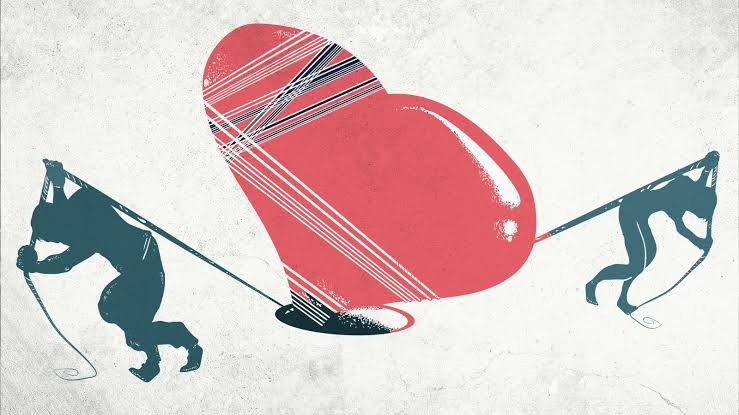
A failed relationship can be one of the most painful experiences in life. When two people come together, they often share dreams, emotions, memories, and plans for the future. They may imagine growing old together, overcoming challenges, and building a happy life side by side. However, not every relationship reaches the ending people hope for. Sometimes, love fades, trust breaks, communication disappears, or two people slowly realize that they are no longer right for each other.
Experiencing a failed relationship can leave a person feeling lonely, confused, disappointed, and emotionally exhausted. It can also raise difficult questions about self-worth, love, and the possibility of finding happiness again. Although the end of a relationship can hurt deeply, it does not mean that life has lost its meaning or that future relationships are destined to fail.
Understanding why relationships fail, recognizing the lessons they offer, and learning how to heal can help people move forward with greater confidence and emotional strength.
What Is a Failed Relationship?
A failed relationship is a romantic connection that ends or becomes unhealthy because the people involved can no longer maintain a satisfying, respectful, and meaningful partnership. It may end suddenly after a serious disagreement, or it may slowly fall apart after months or years of emotional distance.
Sometimes, both partners understand that the relationship is no longer working. In other situations, one person wants to continue while the other has already emotionally moved on. This difference can make the experience especially painful.
However, a failed relationship does not always mean that the people involved made a mistake by loving each other. Relationships can end even when genuine feelings exist. People change, priorities shift, and circumstances sometimes make it difficult to build a healthy future together.
The important thing is to understand that the ending of a relationship does not determine your value as a person. It is one experience in your life, not the definition of your entire future.
Common Reasons Why Relationships Fail
Every relationship has its own story, but certain problems frequently contribute to romantic relationships breaking down.
1. Lack of Communication
Communication is one of the most important parts of a healthy relationship. Partners need to express their feelings, discuss concerns, and listen to each other without fear of judgment.
When communication becomes weak, misunderstandings can grow into serious problems. One partner may feel ignored, while the other may not even realize that something is wrong. Over time, unspoken emotions can create distance and resentment.
Learning to communicate honestly and respectfully can prevent many conflicts, but both partners must be willing to make that effort.
2. Broken Trust
Trust creates a sense of security between two people. When someone lies repeatedly, hides important information, or breaks an important promise, that security can disappear.
Infidelity can also cause serious emotional damage, although trust can be affected by many different behaviors. Once trust is broken, rebuilding it requires honesty, accountability, patience, and consistent actions.
In some cases, couples can repair the damage. In others, the hurt becomes too great, and ending the relationship may be the healthier decision.
3. Different Goals and Expectations
Love does not always mean that two people want the same things in life. One person may want marriage and children, while the other prefers a different lifestyle. One partner may prioritize career growth, while the other wants to settle down in a particular place.
These differences do not necessarily make either person wrong. However, when important life goals cannot be reconciled, maintaining the relationship can become increasingly difficult.
Recognizing these differences early can help people make decisions based on compatibility rather than feelings alone.
4. Lack of Effort From One or Both Partners
A successful relationship requires ongoing effort. Small gestures, emotional support, quality time, and mutual respect help partners feel valued.
When only one person makes an effort, the relationship can become emotionally exhausting. The person trying to keep everything together may eventually feel unappreciated and alone.
A healthy partnership should not depend on one person constantly sacrificing their happiness to prevent the relationship from ending.
5. Constant Arguments and Disrespect
Disagreements are normal in relationships, but the way people handle them makes a significant difference. Constant criticism, insults, humiliation, controlling behavior, and repeated arguments can damage emotional well-being.
A disagreement should be an opportunity to understand each other, not a reason to attack someone’s character.
When disrespect becomes a regular part of a relationship, it is important to recognize the problem rather than assume that enduring more pain will eventually solve it.
Signs That a Relationship May Be Failing
Sometimes, a relationship begins to fall apart long before either person decides to end it. Recognizing the warning signs can help people understand what is happening.
One common sign is emotional distance. Partners who once enjoyed talking about everything may begin sharing very little. Conversations become shorter, affection decreases, and spending time together starts to feel like an obligation.
Another warning sign is the disappearance of mutual effort. If one person always initiates conversations, plans activities, apologizes, or tries to resolve disagreements, the relationship may have become unbalanced.
Frequent feelings of loneliness can also indicate a deeper problem. It is possible to feel lonely even when sitting beside someone you love. This often happens when emotional needs remain unrecognized or unanswered.
A lack of respect is another serious warning sign. If you regularly feel belittled, controlled, or afraid to express your opinions, the relationship may be harming your emotional well-being.
These signs do not automatically mean that a breakup is inevitable. Some problems can be addressed through honest conversations, counseling, and mutual commitment. However, improvement requires genuine effort from both partners.
The Emotional Impact of a Failed Relationship
The end of a relationship can affect people in different ways. Some feel sadness immediately, while others experience shock, anger, or relief before the deeper emotions appear.
One of the hardest parts is losing the future you imagined. You may miss not only the person but also the plans, routines, and experiences you expected to share.
A breakup can also affect confidence. You might question whether you were good enough, attractive enough, or deserving of love. These thoughts can feel convincing during emotional pain, but they do not necessarily reflect reality.
It is also common to replay past conversations and wonder what could have been done differently. Reflection can be helpful, but constantly blaming yourself can prevent healing.
Remember that relationships involve two people, their choices, their circumstances, and their ability to meet each other’s needs. Taking responsibility for your own mistakes is valuable, but accepting responsibility for everything that went wrong is not fair to yourself.
How to Heal After a Failed Relationship
Healing takes time, and there is no universal schedule for moving on. However, several practical steps can make the process easier.
1. Accept Your Feelings
You do not need to pretend that you are fine when you are hurting. Allow yourself to experience sadness, disappointment, anger, or confusion without judging your emotions.
Talking to someone you trust, writing in a journal, or spending quiet time reflecting can help you process what happened.
Healing begins when you stop fighting the fact that something meaningful has changed.
2. Give Yourself Some Space
After a breakup, constantly checking an ex-partner’s social media or repeatedly restarting conversations can make emotional recovery more difficult.
Creating some distance can help you gain perspective and reduce the temptation to revisit painful memories. This does not mean that every breakup requires permanent silence. It means choosing boundaries that support your well-being.
If practical responsibilities require continued contact, keep communication respectful and focused on what is necessary.
3. Focus on Your Physical and Mental Health
Emotional pain can affect sleep, appetite, concentration, and motivation. Try to maintain simple routines, eat regular meals, get enough rest, and engage in physical activity when possible.
Spend time with friends and family members who make you feel supported. Return to hobbies that bring you joy or explore activities you have always wanted to try.
These steps will not erase heartbreak overnight, but they can gradually help you feel more stable and connected to your life.
4. Learn From the Experience
Once the initial pain becomes easier to manage, consider what the relationship taught you.
Think about your communication habits, personal boundaries, expectations, and emotional needs. Ask yourself what worked well and what you would handle differently in the future.
The purpose of reflection is not to punish yourself for past decisions. It is to develop a better understanding of the kind of relationship you want and the kind of partner you hope to become.
5. Seek Support When Needed
Sometimes, heartbreak becomes difficult to manage alone. If sadness, anxiety, or emotional distress continues to interfere with everyday life, speaking with a qualified mental health professional may help.
There is no weakness in asking for support. Everyone deserves the opportunity to understand their feelings and develop healthier ways to cope with difficult experiences.
How to Rebuild Your Confidence After Heartbreak
A failed relationship can make you question your identity, especially if you spent years placing the relationship at the center of your life.
Rebuilding confidence begins with remembering who you are outside that partnership. Your interests, values, friendships, goals, and abilities still matter.
Set small goals that help you regain a sense of direction. You might learn a new skill, improve your daily routine, reconnect with old friends, or work toward a professional ambition.
Avoid comparing your healing process with someone else’s. Your former partner may appear happy online, or other people may seem to move on quickly, but appearances do not reveal the complete story.
Most importantly, stop measuring your worth by whether someone chooses to stay with you. A relationship ending does not make you less deserving of kindness, affection, or respect.
Confidence grows when you begin treating yourself with the same patience and understanding you would offer a close friend.
Is It Possible to Find Love Again?
Yes, it is possible to experience love again after a painful relationship. However, there is no need to rush into another partnership simply to escape loneliness.
Give yourself enough time to understand your emotions and recognize what you need from a future partner. When you begin dating again, pay attention to compatibility, emotional maturity, honesty, and shared expectations.
Healthy love should provide room for individuality as well as togetherness. Both partners should feel comfortable expressing concerns, maintaining friendships, and pursuing personal goals.
It is also important to remember that every new relationship deserves to be judged on its own circumstances. Past experiences can teach you valuable lessons, but they should not force you to expect betrayal or disappointment from everyone you meet.
You cannot guarantee that another relationship will never end. What you can do is make thoughtful choices, communicate clearly, recognize unhealthy patterns, and establish boundaries that protect your well-being.
When Letting Go Is the Healthier Choice
People sometimes remain in unhappy relationships because they fear being alone or believe that their partner might eventually change. Others feel guilty about ending something that once brought them happiness.
Although relationships can improve when both people are committed to change, love alone cannot solve every problem. Repeated disrespect, manipulation, controlling behavior, and ongoing emotional harm should not be dismissed simply because strong feelings remain.
Letting go can be painful, especially when you still care about the other person. Yet choosing to leave a relationship that consistently harms you can be an act of self-respect rather than failure.
You do not need to hate someone to accept that the relationship is no longer right for you. Sometimes, two people can appreciate what they shared while acknowledging that continuing together is not healthy.
If you feel unsafe or experience abuse, prioritize your safety and seek support from trusted people or appropriate local services.
1. What is a failed relationship?
A failed relationship is a romantic connection that ends or becomes unhealthy because of problems such as poor communication, broken trust, different expectations, or a lack of mutual effort. It does not mean that a person has failed in life or is unworthy of love.
2. What are the main reasons for a failed relationship?
The main reasons for a failed relationship include a lack of communication, dishonesty, trust issues, constant arguments, emotional distance, and incompatible life goals. When both partners stop making an effort to understand and support each other, the relationship may become difficult to maintain.
3. How can I recover from a failed relationship?
Recovering from a failed relationship takes time, patience, and self-care. Accept your emotions, maintain healthy routines, spend time with supportive people, and focus on personal growth. Learning from the experience can also help you develop healthier relationships in the future.
4. Is it normal to miss someone after a failed relationship?
Yes, it is completely normal to miss someone after a failed relationship. You may miss their presence, shared memories, daily conversations, or the future you imagined together. Missing someone does not necessarily mean that you should return to the relationship; it simply means that the connection was meaningful to you.
5. Can a failed relationship lead to a better future?
Yes, a failed relationship can help you understand your needs, recognize unhealthy patterns, and establish stronger boundaries. By learning from past experiences and rebuilding your confidence, you can prepare yourself for healthier connections and a more fulfilling future.
Conclusion
A failed relationship can leave behind painful memories, unanswered questions, and a sense of uncertainty about the future. However, its ending does not mean that your chance at happiness has disappeared.
Every relationship offers an opportunity to understand yourself more deeply, recognize your emotional needs, and develop healthier expectations for the future. Some lessons arrive through beautiful experiences, while others come through disappointment and loss.
Allow yourself time to grieve what ended, appreciate the lessons you learned, and reconnect with the person you were before the heartbreak. You do not need to have everything figured out today.
Remember that a failed relationship is not the same as a failed life. You can learn, grow, rebuild your confidence, and eventually welcome new experiences into your world.
The most important step is to stop viewing the end of one relationship as proof that you are unworthy of love. Your past may shape your understanding, but it does not have to determine your future. With time, self-respect, and the right support, it is possible to move forward and build a happier, healthier life.
Leave a Reply